Compare honeycomb, tree-shaped, and multi-cavity waffle makers by menu fit, power, dimensions, and sourcing priorities for B2B orders.
For foodservice buyers, waffle equipment is not only a production purchase. Plate shape influences presentation, portion size, packaging, and how easily a product can stand out on a menu. Importers and distributors should therefore match each machine format with a clear customer segment before comparing price.
Three Formats for Different Selling Concepts
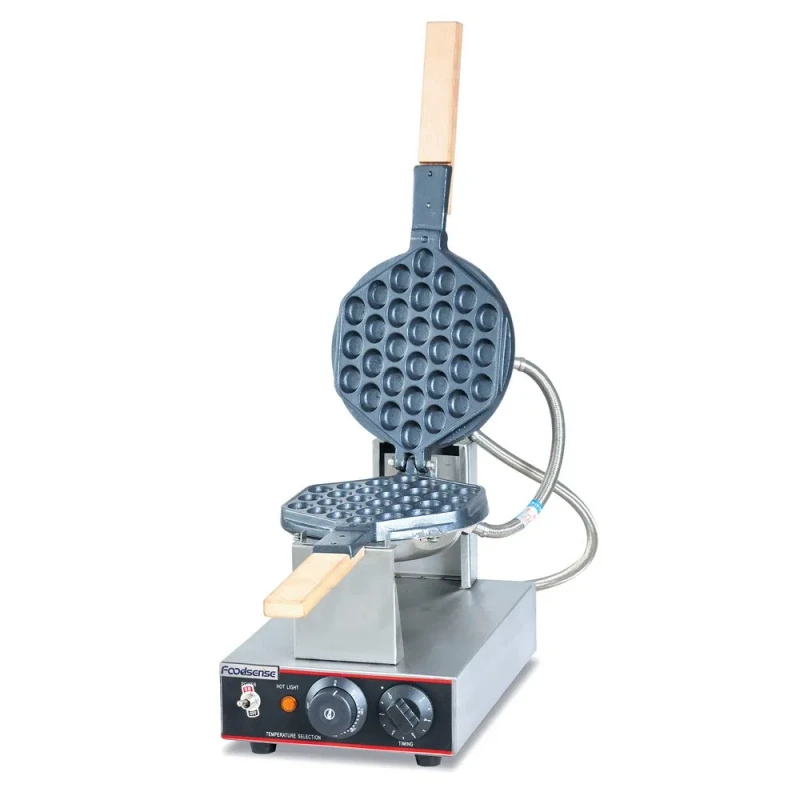
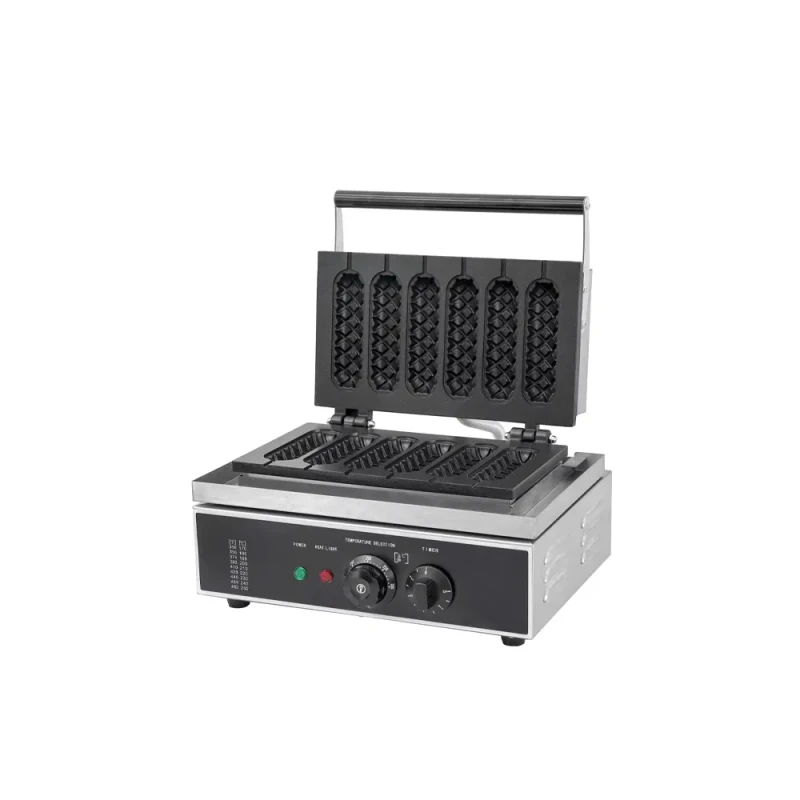
A honeycomb waffle maker offers a recognizable texture suited to dessert counters, cafés, kiosks, and takeaway concepts. This 220V commercial model includes a timing device, has an approximate 4kW rating, and measures 310 × 400 × 285 mm. One- or double-tank options can support different output requirements.
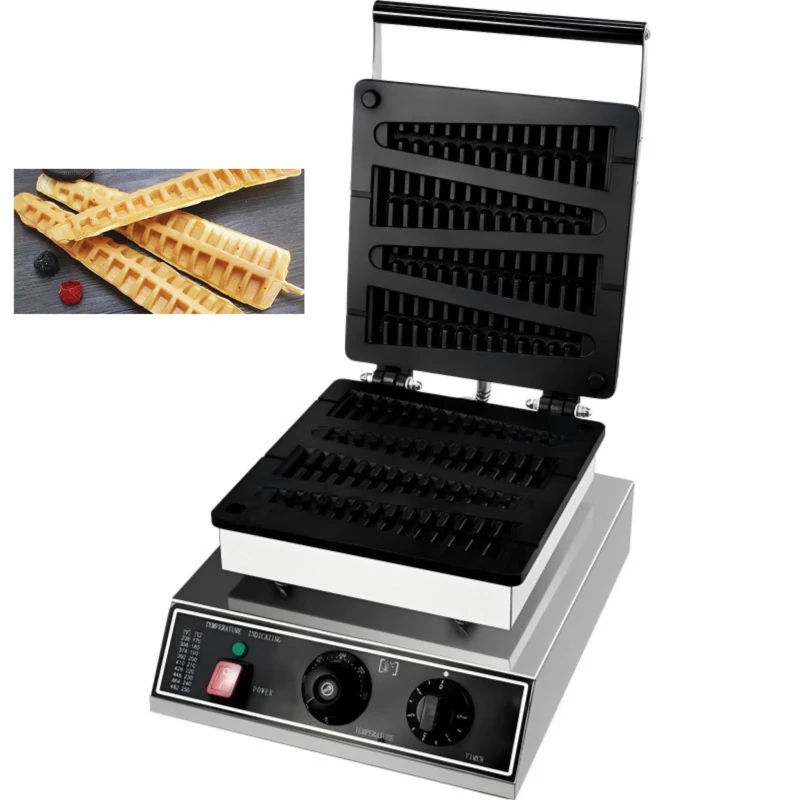
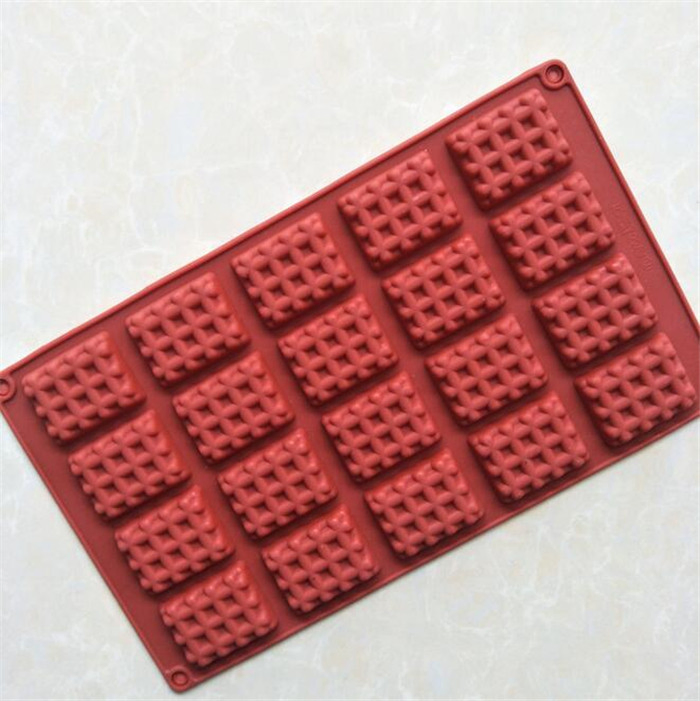
For operators focused on visual merchandising, the tree-shaped waffle maker creates a distinctive product for seasonal menus, family venues, and social-media-friendly snacks. Its listed specifications include 220V power, a 1750W supply, dimensions of 320 × 390 × 240 mm, and a packaged gross weight of 10.7 kg.
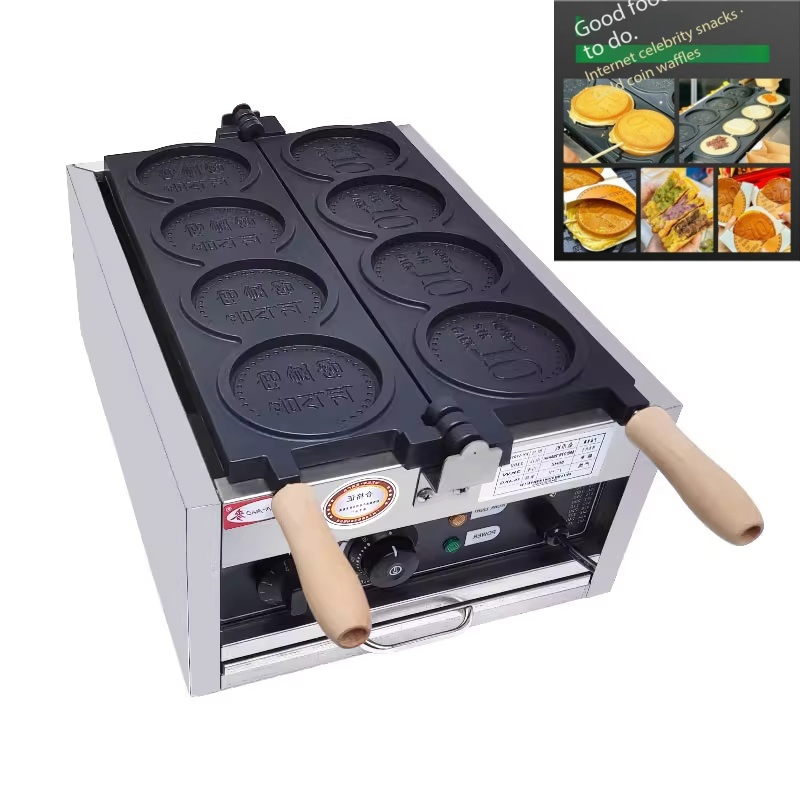
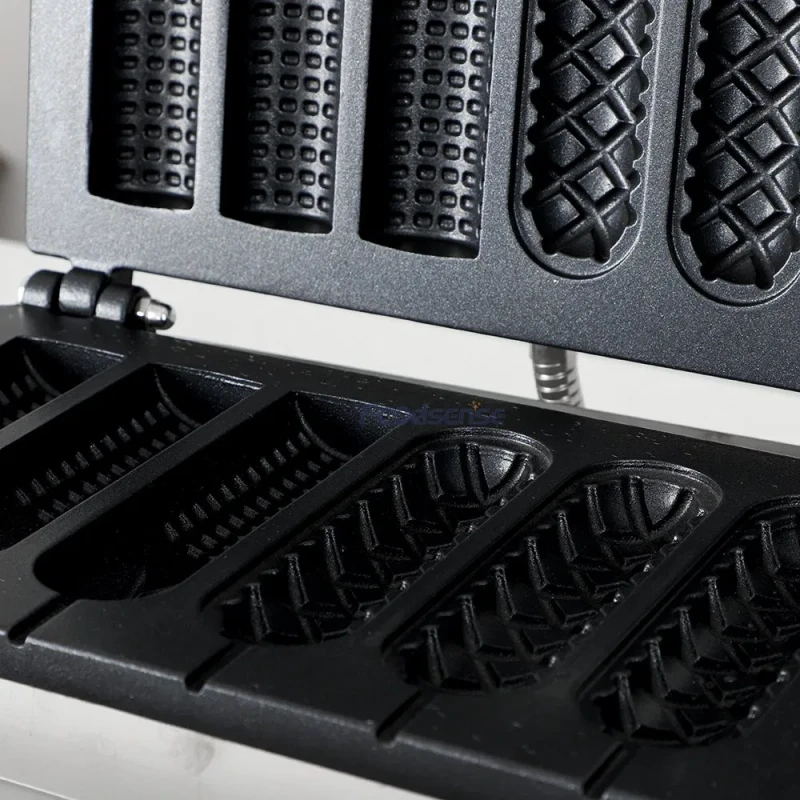
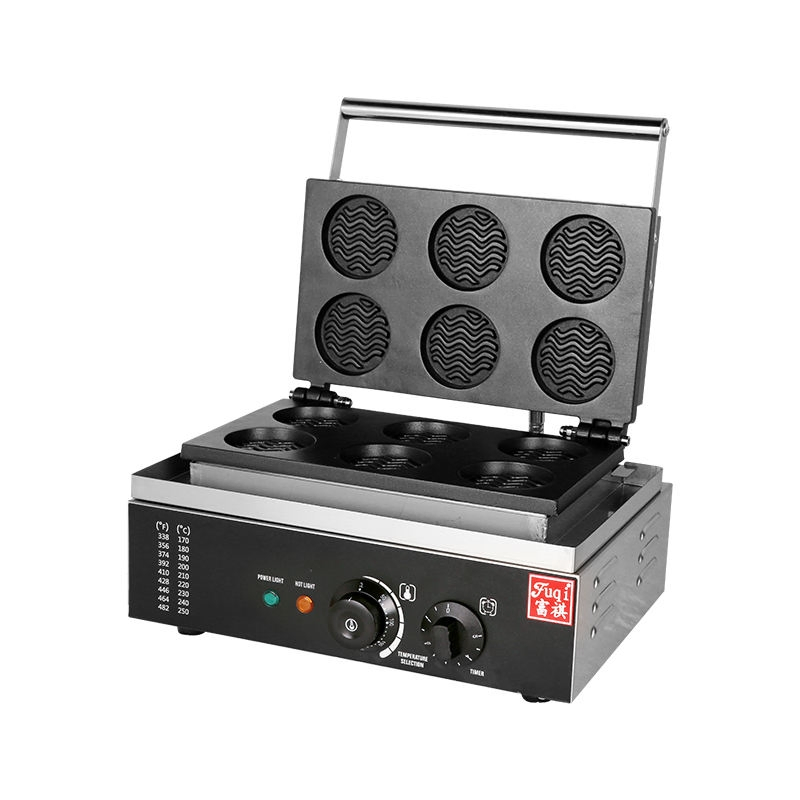
Higher-volume counters may prefer a multi-cavity waffle maker with three- or four-hole configurations. The thickened stainless steel structure, detachable format, 3000W rated power, and 11 × 2 cm single-cavity size make it relevant for buyers evaluating portion consistency and batch production. Custom logo requirements should be confirmed during quotation.
What Buyers Should Confirm Before Ordering
Beyond shape, procurement teams should verify voltage, plug type, plate coating, timer controls, replacement components, packaging, and documentation for the destination market. Production lead time may depend on quantity and customization. Explore the wider waffle equipment range, then share your target market, expected volume, and preferred format to request a suitable commercial quotation.