
Compare compact, commercial, and six-piece waffle machines to plan a channel-ready range for household retail and foodservice buyers.
A well-planned waffle machine range should reflect how and where each appliance will be sold. Household retailers prioritize compact storage and easy cleaning, while foodservice buyers focus on batch capacity, controls, and operating power. Comparing these requirements can help importers and distributors select the right products from the broader waffle appliance range.
Match Each Format to Its Market
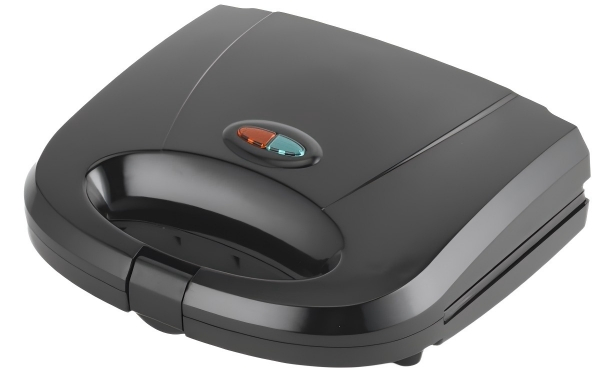
For household retail, the 750W sandwich maker combines stainless steel construction, waffle plates, a cool-touch handle, and a nonstick surface. Its 21.5 × 12.5 cm plate and gift-box packaging suit consumer appliance channels where shelf presentation matters. The supplied product data also lists CE, RoHS, LFGB, EMC, EMF, LVD, ERP, and GS documentation, which buyers should confirm for their destination market.
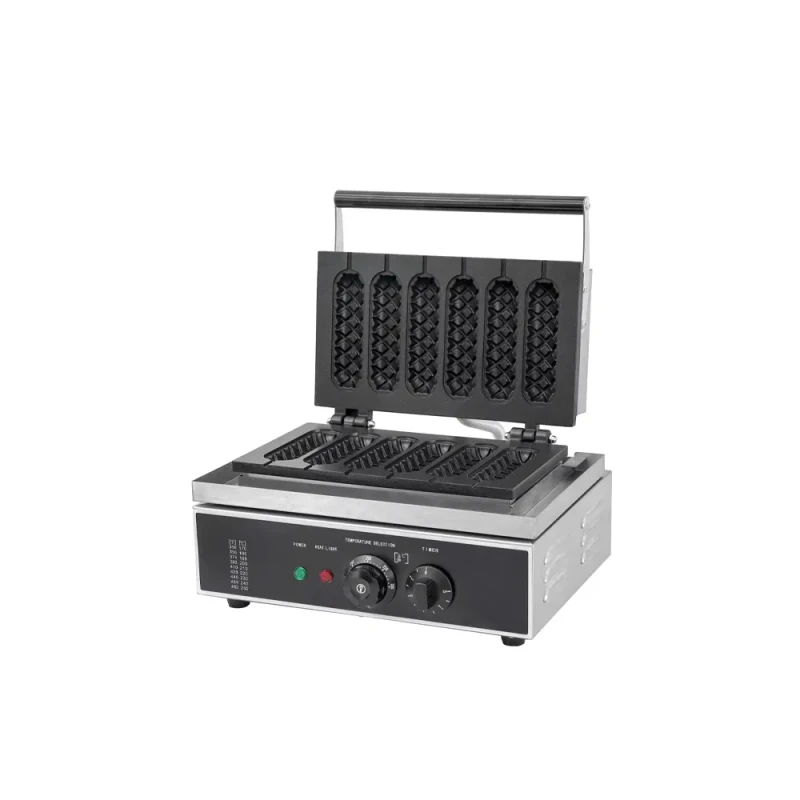
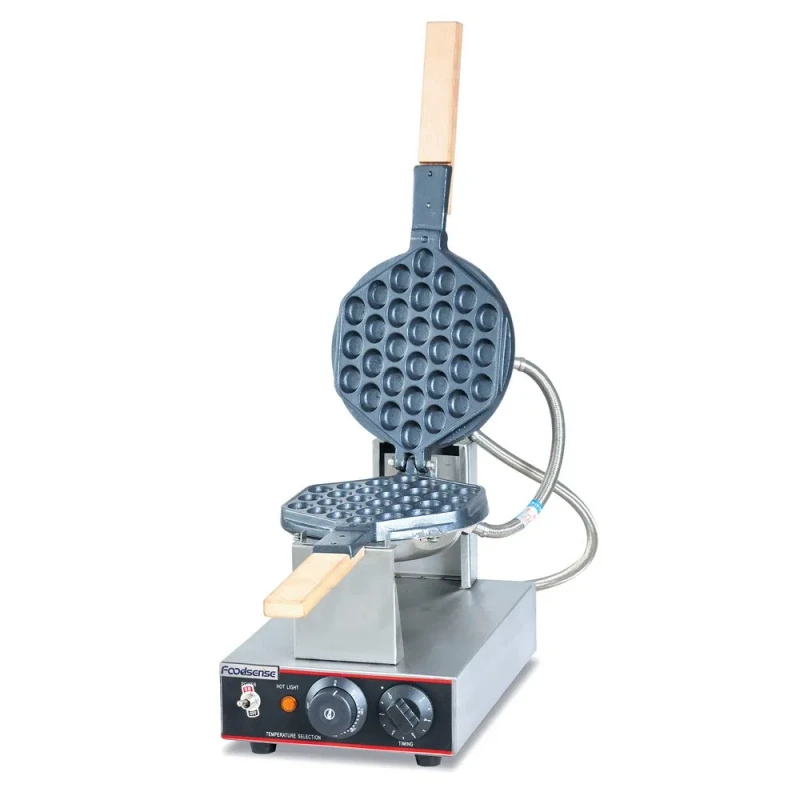
The commercial waffle machine offers a different balance. It operates at 220V, includes a timing device, and has a listed net weight of 5.5 kg. This format may appeal to distributors serving cafés, kiosks, small restaurants, and other operators that need dedicated electric waffle equipment without selecting a larger multi-piece unit.
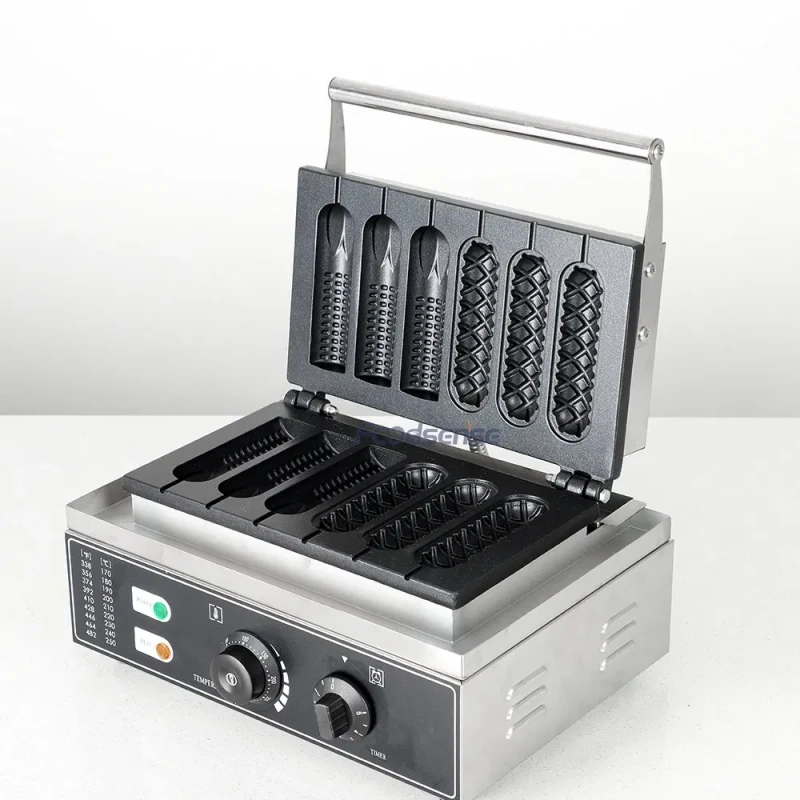
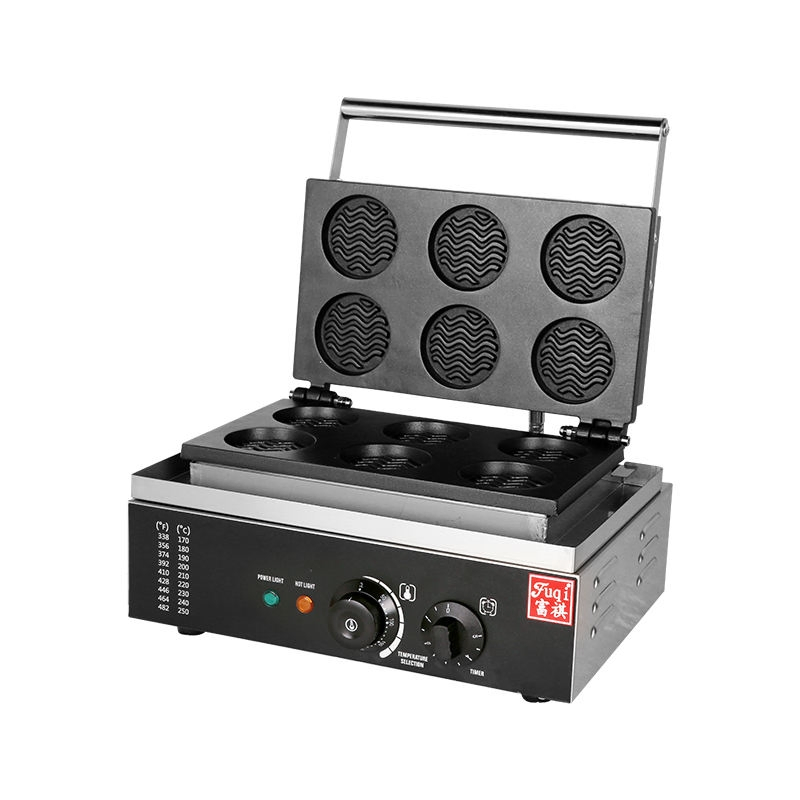
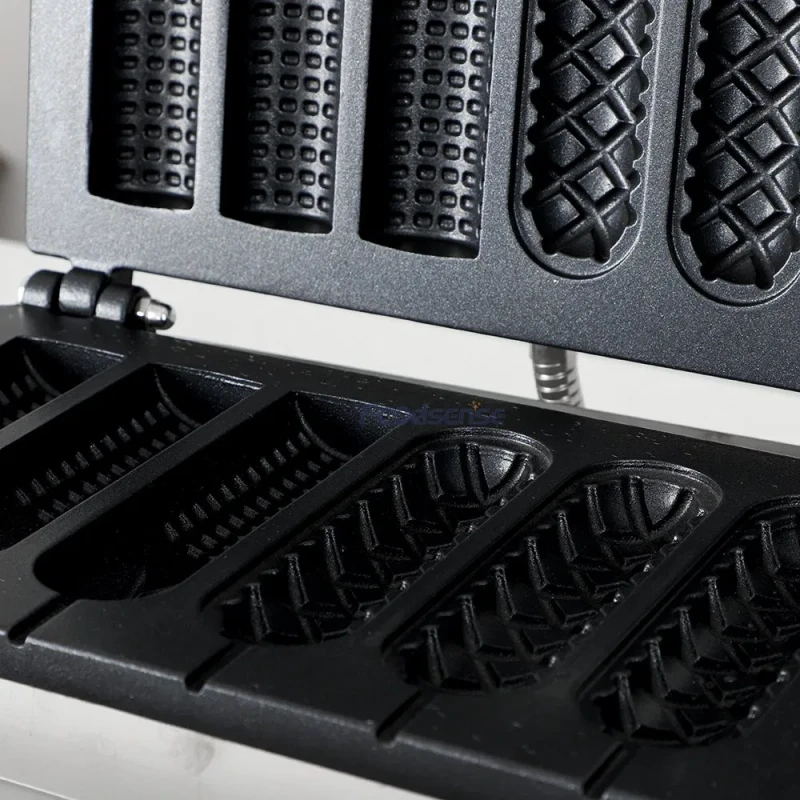
For operations requiring more output per cycle, the six-piece waffle maker provides 2 kW power, 220V operation, timer functionality, and temperature control. Its 28 kg net weight and larger working format make it relevant for foodservice projects where production planning is more important than countertop portability.
Confirm the Procurement Details
Before placing an order, buyers should confirm voltage, frequency, plug type, plate design, carton specifications, compliance documents, order quantity, and delivery schedule. Matching these details to the intended sales channel reduces avoidable sourcing friction. Share your target market, application, and estimated volume to discuss the most suitable waffle machine combination for your business.